The tonewoods
Slow-growing hardwoods of exceptional density, most found only in this corner of Western Australia and nowhere else on Earth.
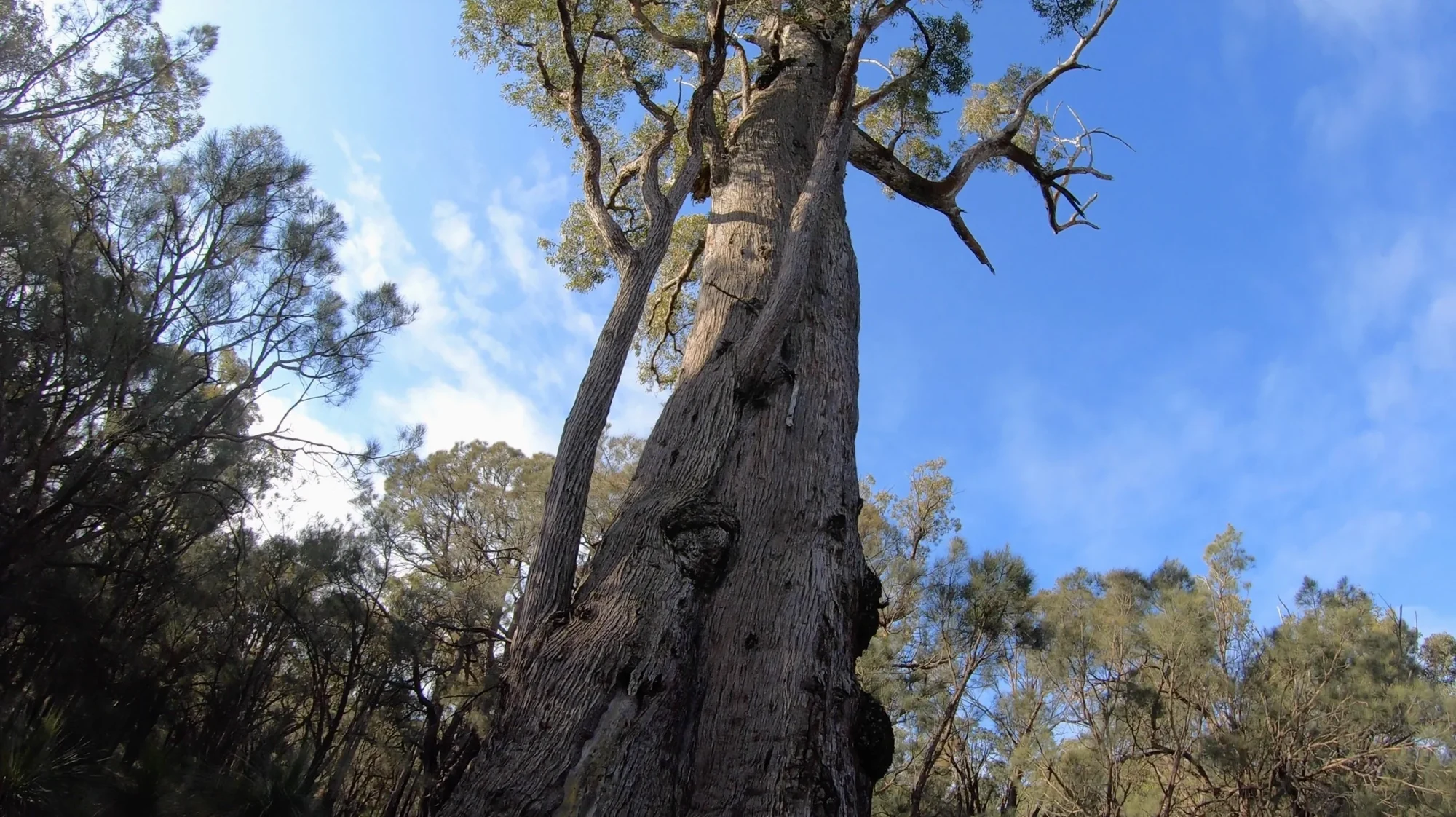
Tonewood · Ruby red
Eucalyptus marginata
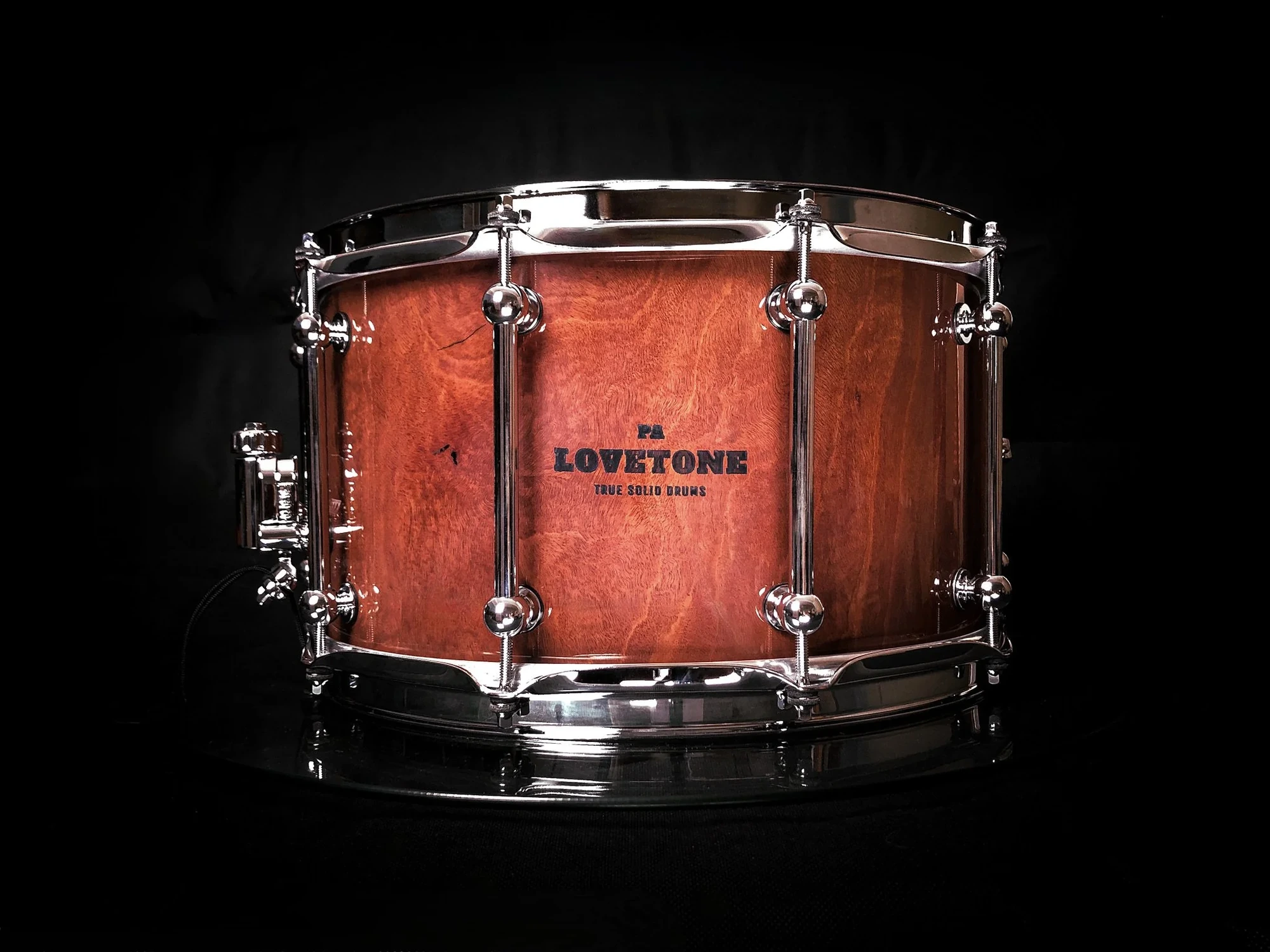
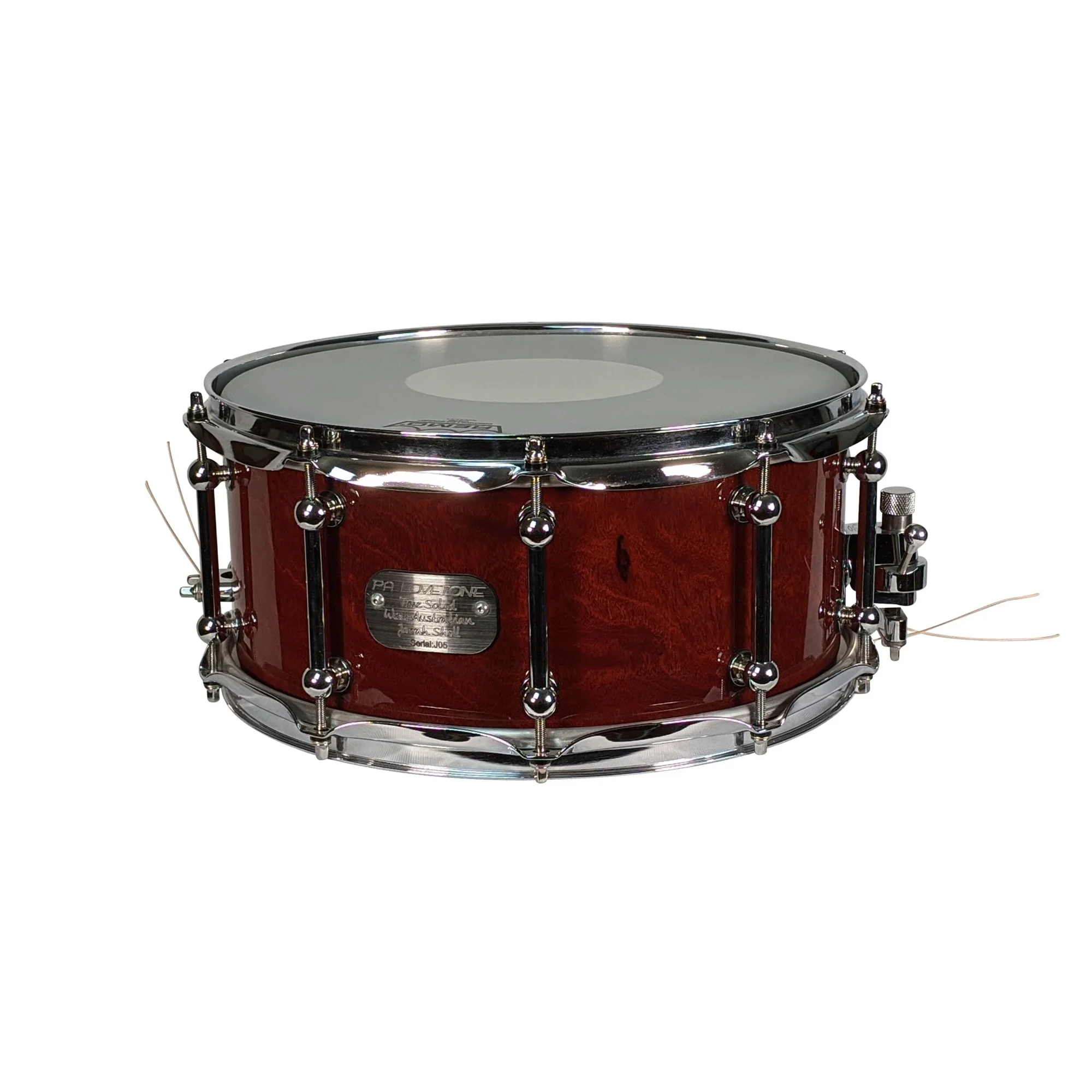
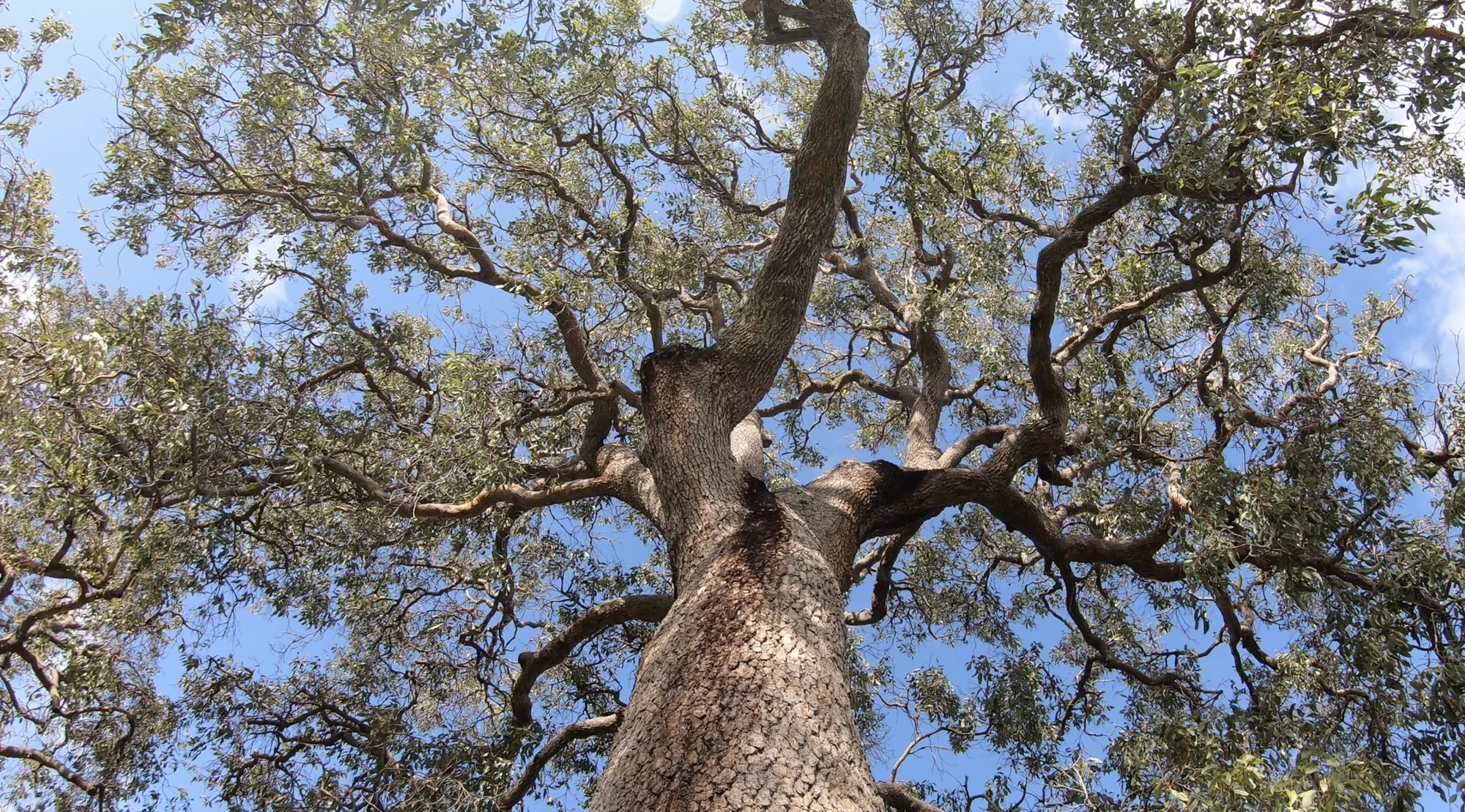
Djarrah in the Noongar language, historically known as Swan River mahogany – a tree of the myrtle family, endemic to the south-west of Western Australia and famous worldwide for its stunning deep red hues.
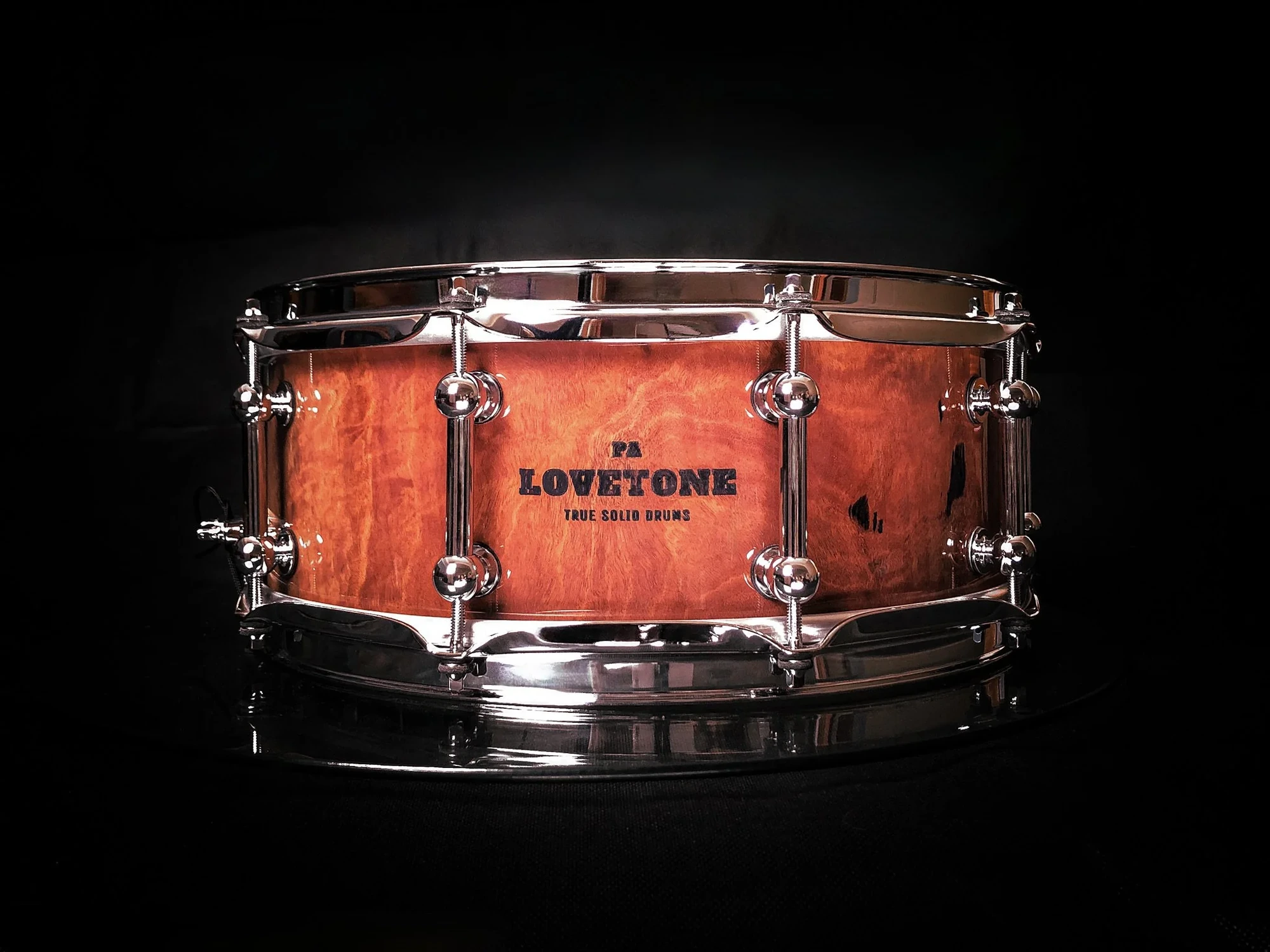
Famous for its ruby red tones and the dense strength of its grain, Jarrah is prized for furniture, flooring and art design. On a drum, those gorgeous reds – sometimes with fiddle-backed figure – make for incredible artworks of nature on the shell walls.
Jarrah produces a dark, throaty, almost metallic note. Its low register gives a dark, rich tone; its middle and upper registers turn to a metallic, throaty explosiveness similar to a metal snare drum – with an ear-splitting sharp crack.
Often mistaken for a Marri, the giveaway is the gumnut: Jarrah’s are small and rounded, while Marri drops the big urn-shaped “honky nuts”. Jarrah’s bark is stringier, its leaves carry the margin that names it, and its flowers are long and narrow with a large peak.
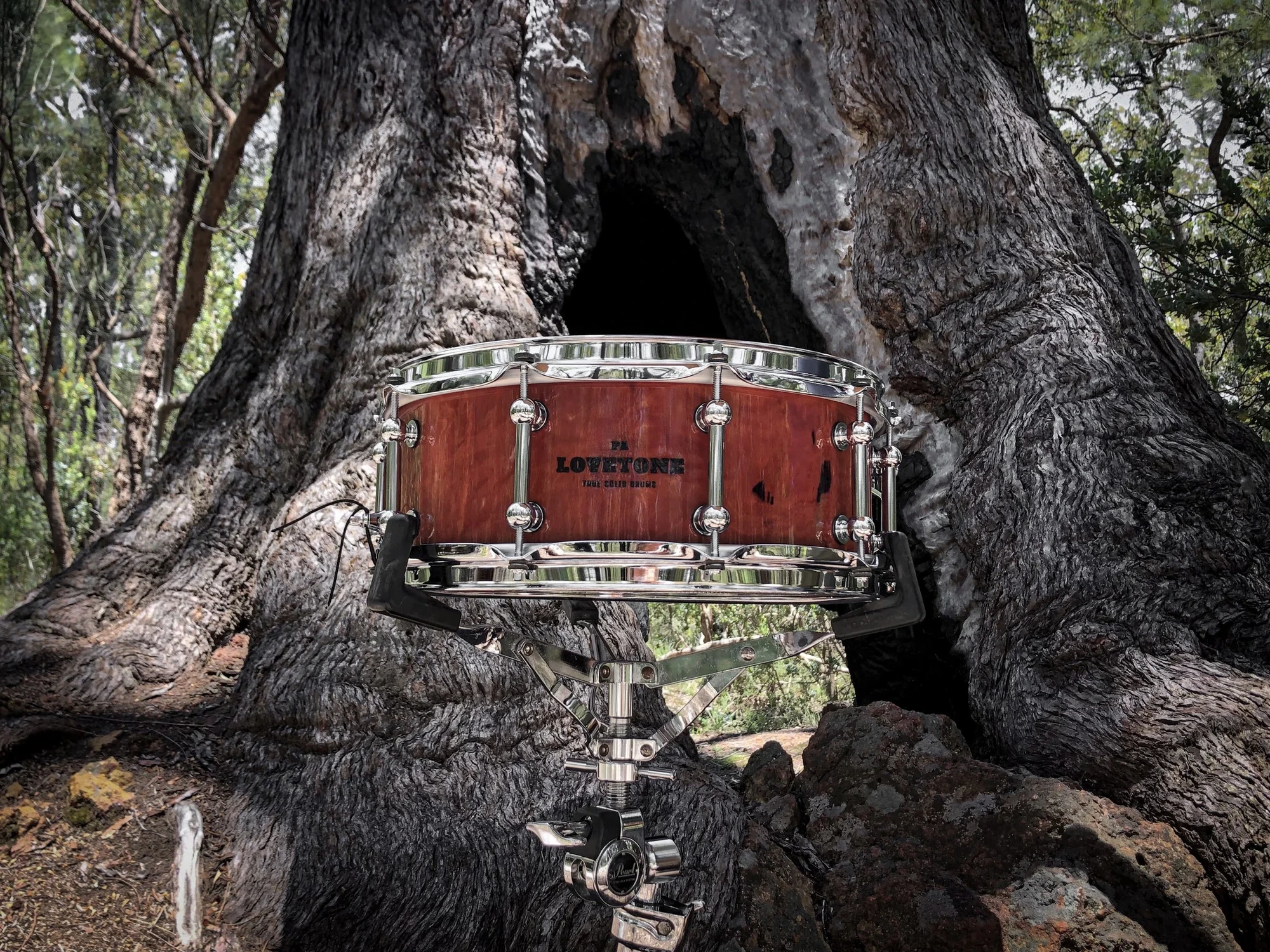
Paul talks Jarrah, filmed in Mundaring, Western Australia.
Tonewood · Honey gold
Corymbia calophylla (Red Gum)
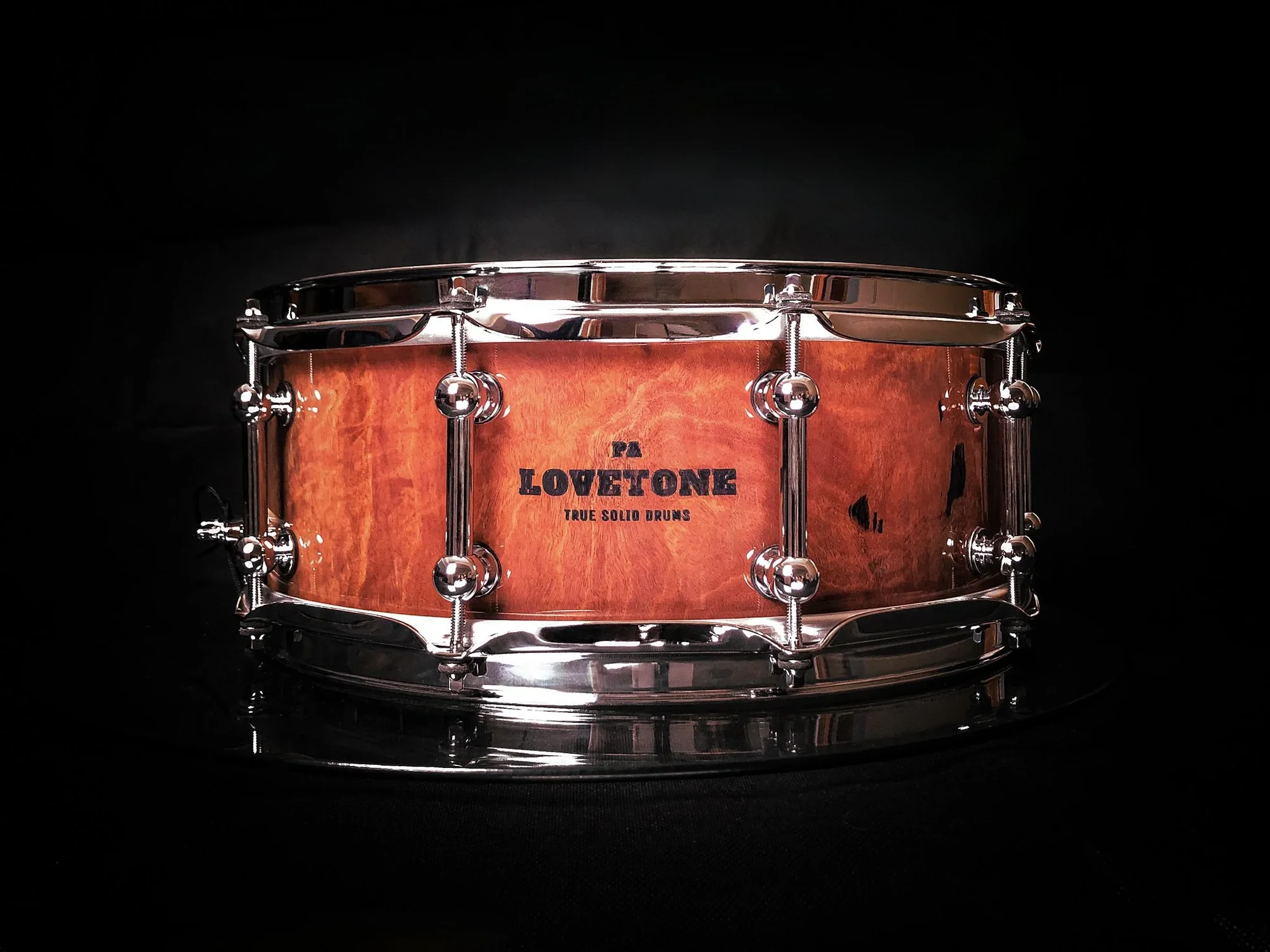
A large and common tree of the south-west, its name drawn from the Noongar language. Once classed a Eucalyptus, now counted among the bloodwoods – and famous for its urn-shaped “honky nuts”, an icon of Australian childhoods.
Marri’s high gum content usually means low recovery rates for first-grade timber. But when gold is struck with the perfect log, the dark red outer gum is removed to reveal beautiful honey-coloured heartwood, yellow to pale – the stuff gorgeous True Solids are made of.
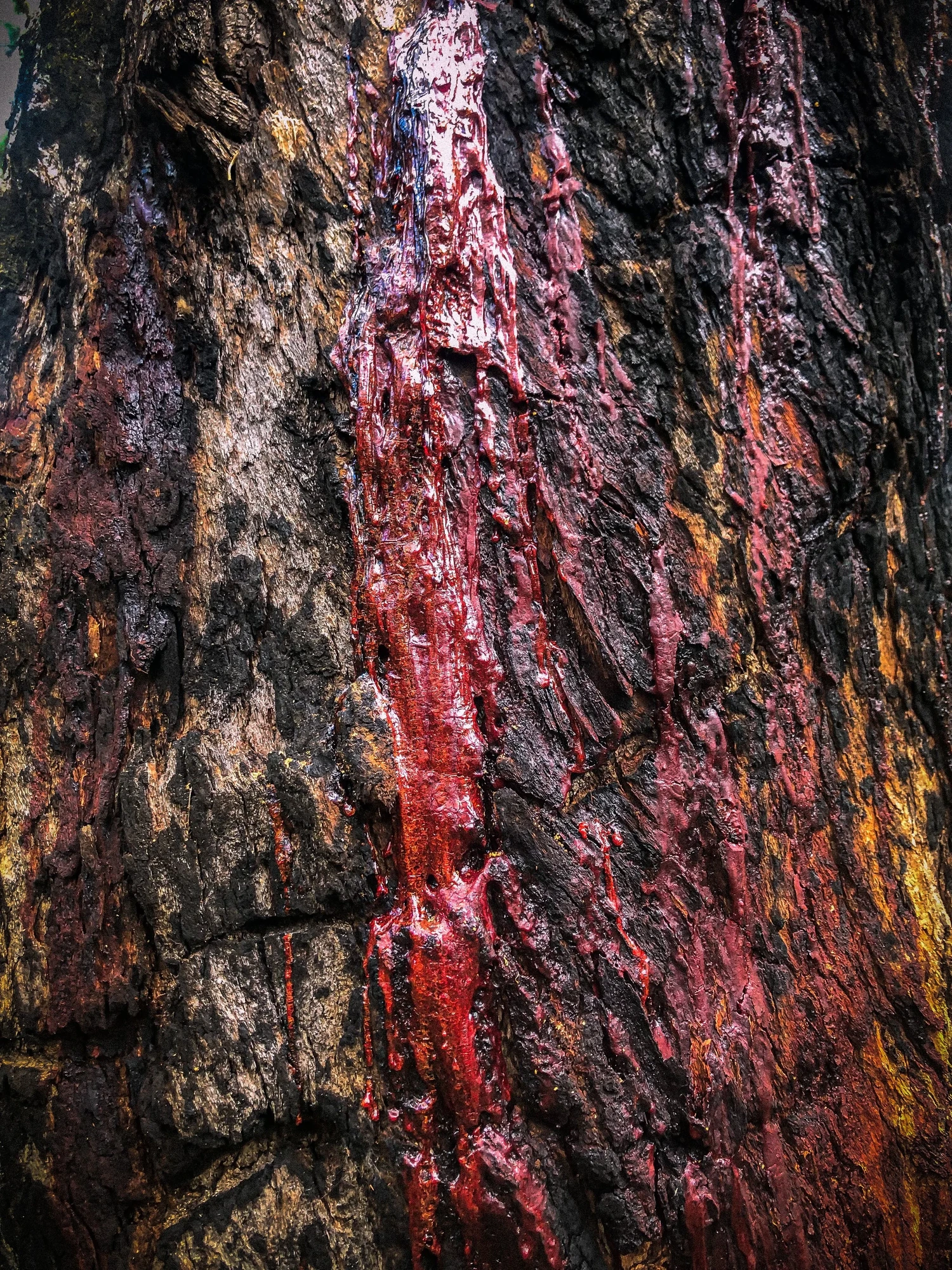
The “Red Gum” name comes from the blood-like kino the tree bleeds where insects have damaged it. In just the right amount, in just the right place, those gum veins become absolutely gorgeous features on a shell – nature’s own inlay work.
A rich, warm, fundamentally lower note with a pronounced, almost “nuked” midrange. Its low register gives a rich, colourful thud; medium tunings an explosive, honey-like midrange; and up high, a dynamite crack with surprising warmth to the note.
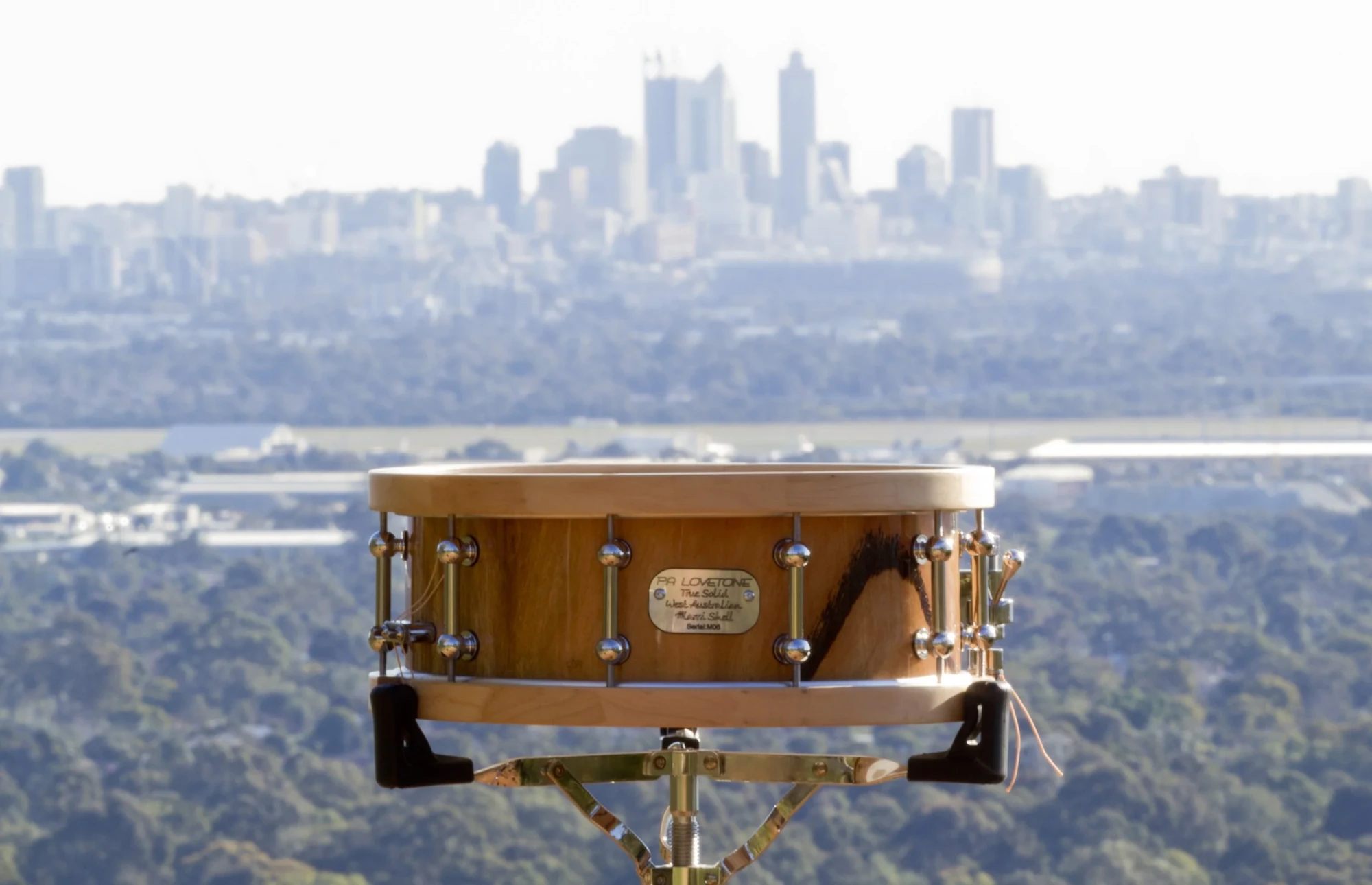
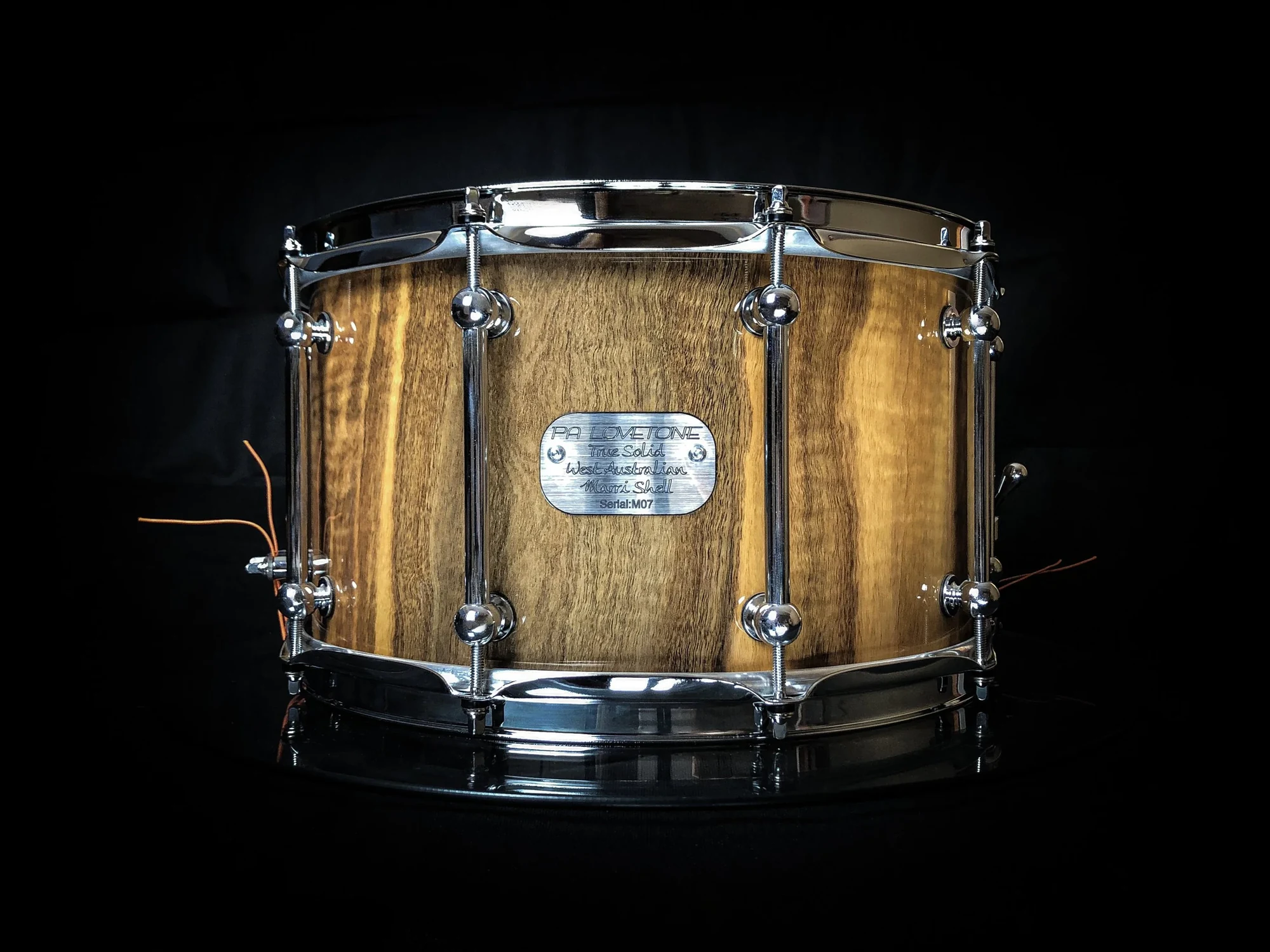 Fiddle-Back 14″ × 8″Gloss
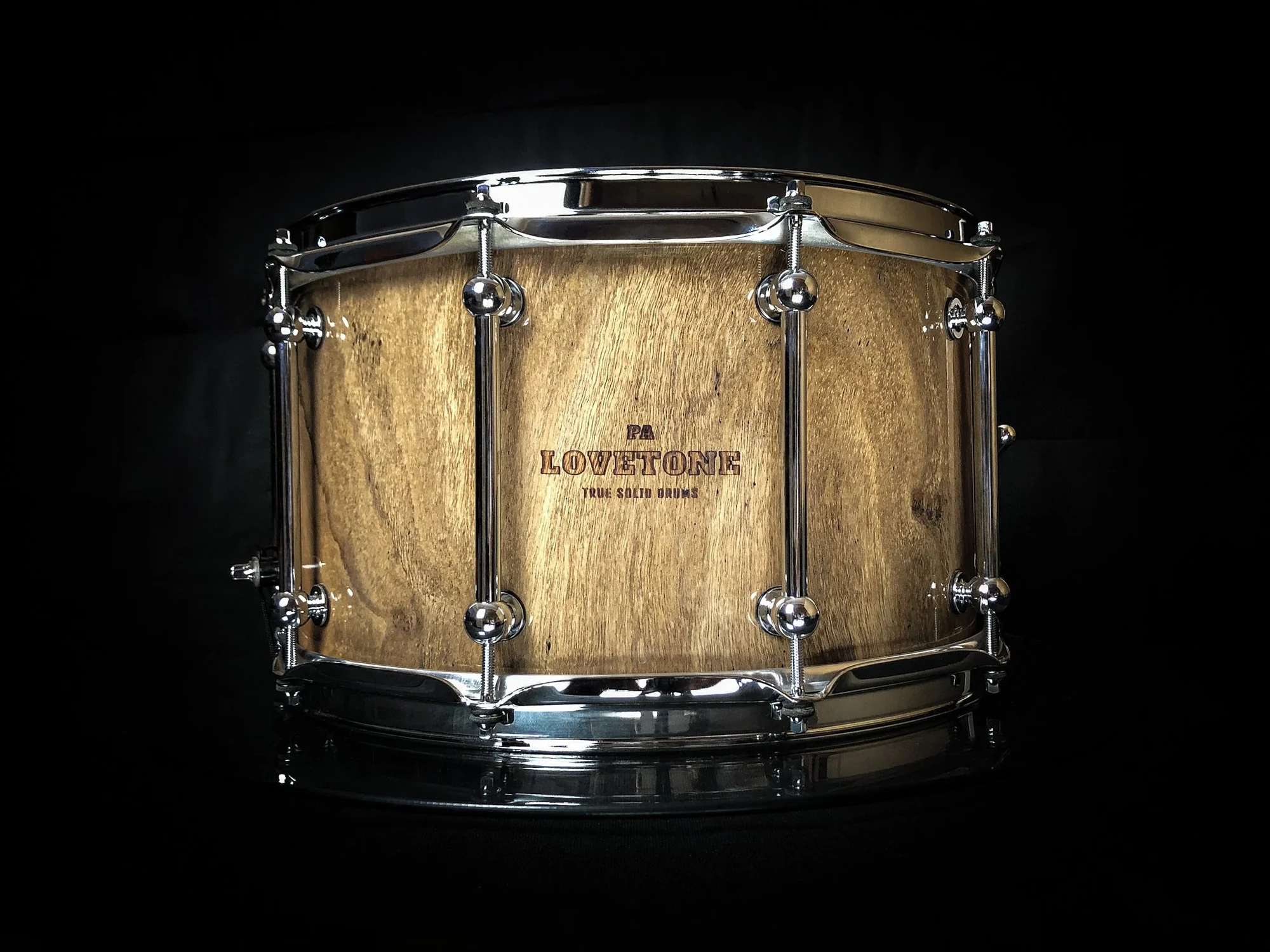 Tiger Striped 14″ × 8″Gloss
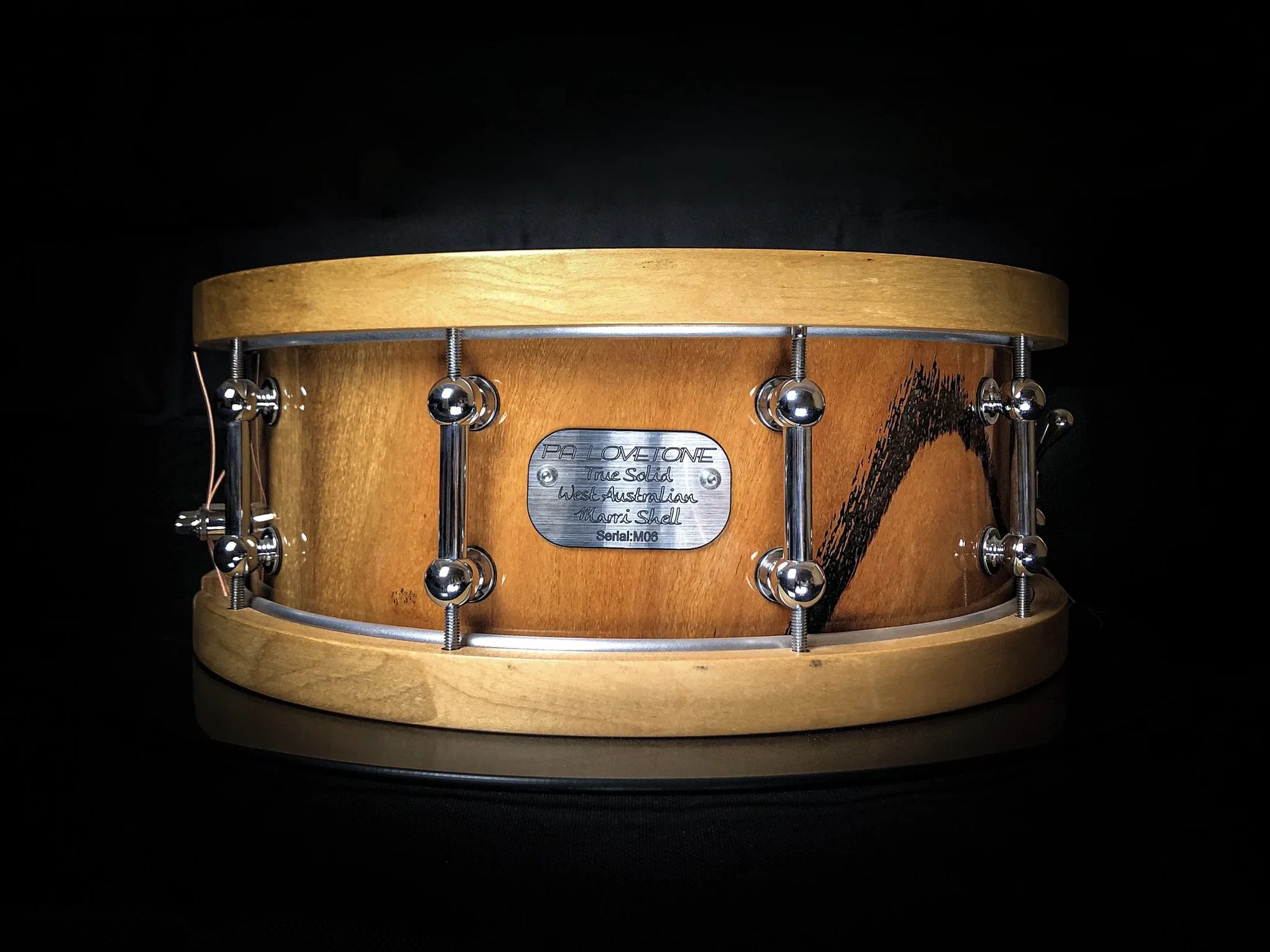 Wooden Hoops 14″ × 5.5″Gloss
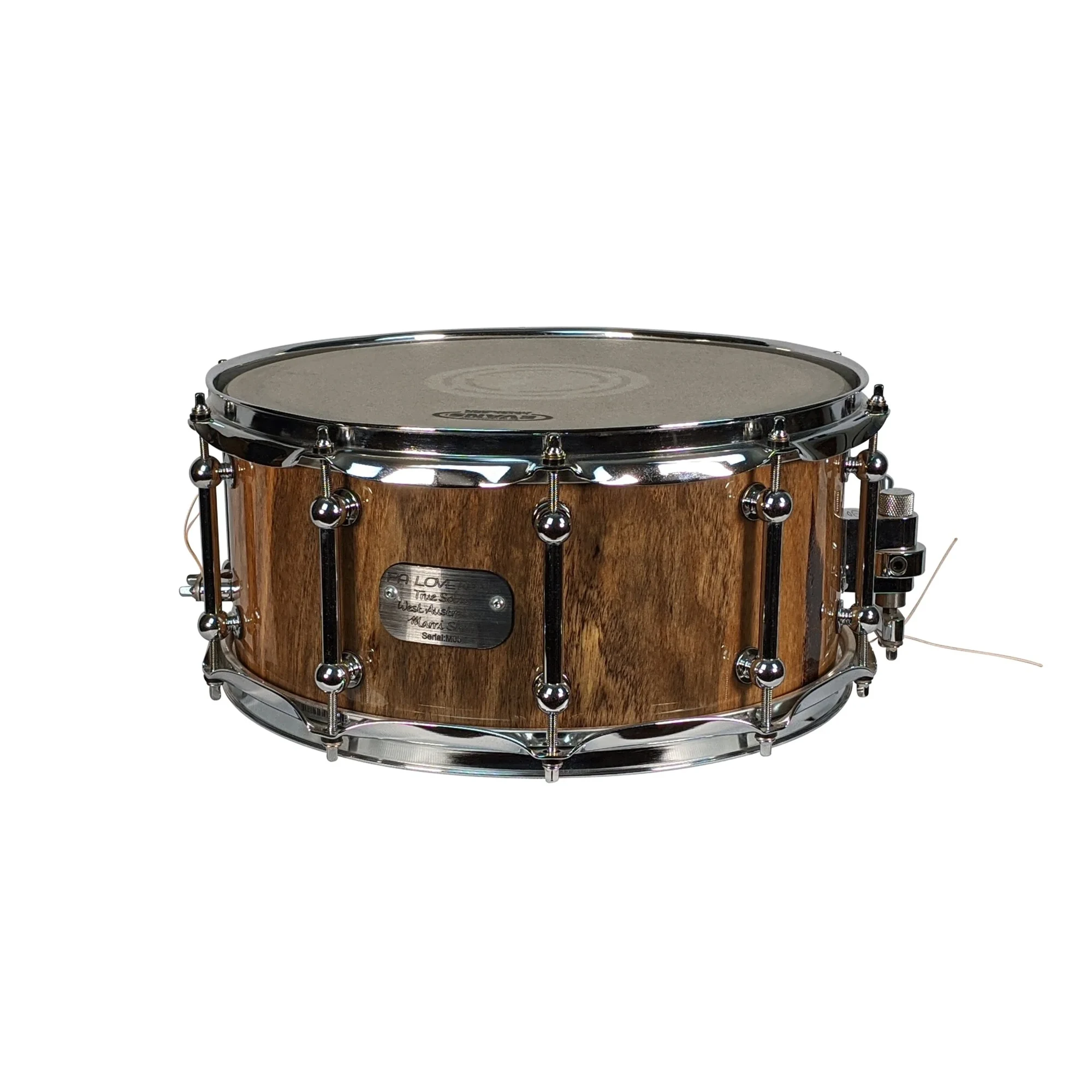 + four more Marrisin the catalogue
Paul talks Marri (and charms the native wildlife), filmed at Mundaring Weir.
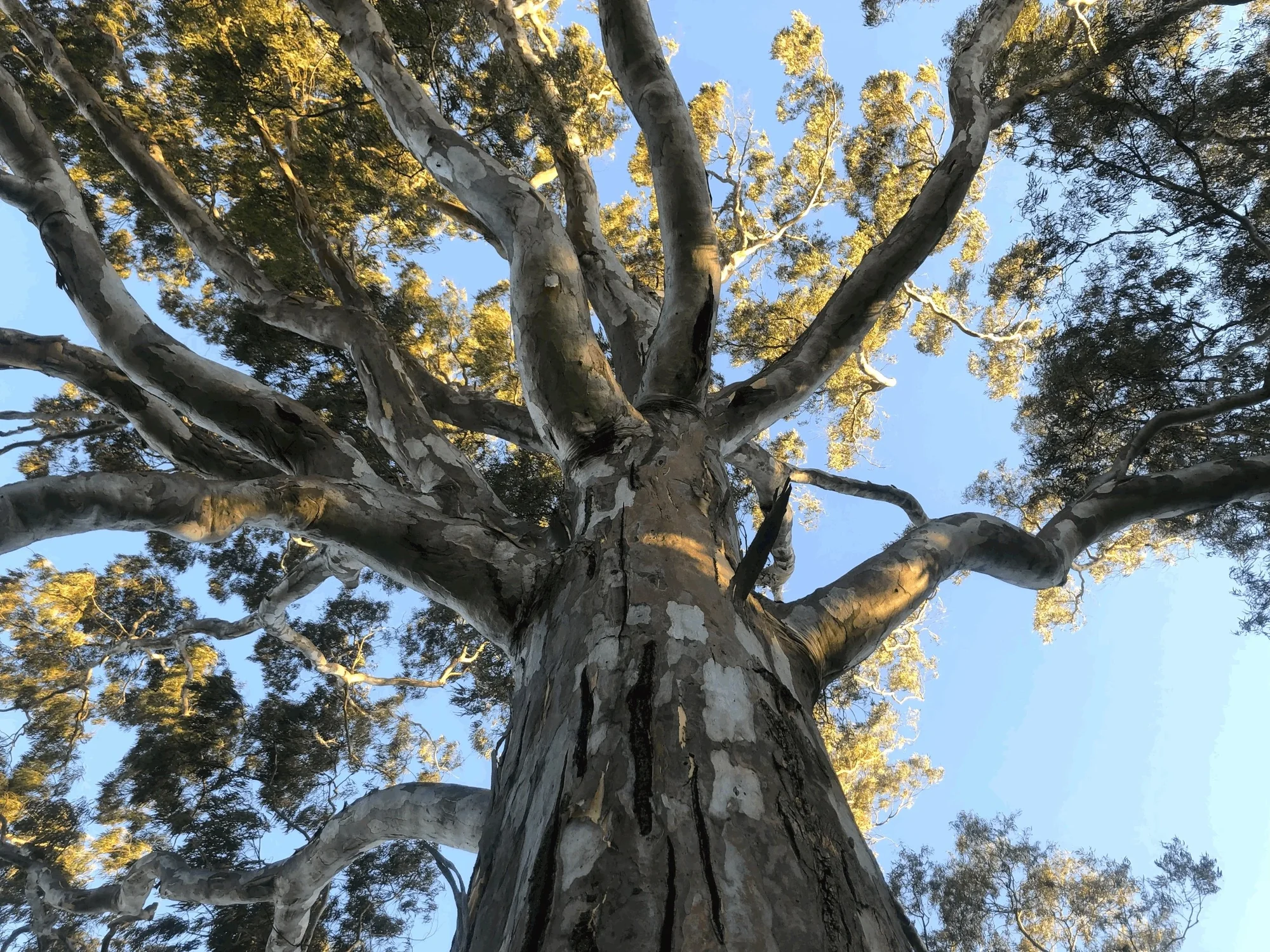
Tonewood · River red
Eucalyptus camaldulensis
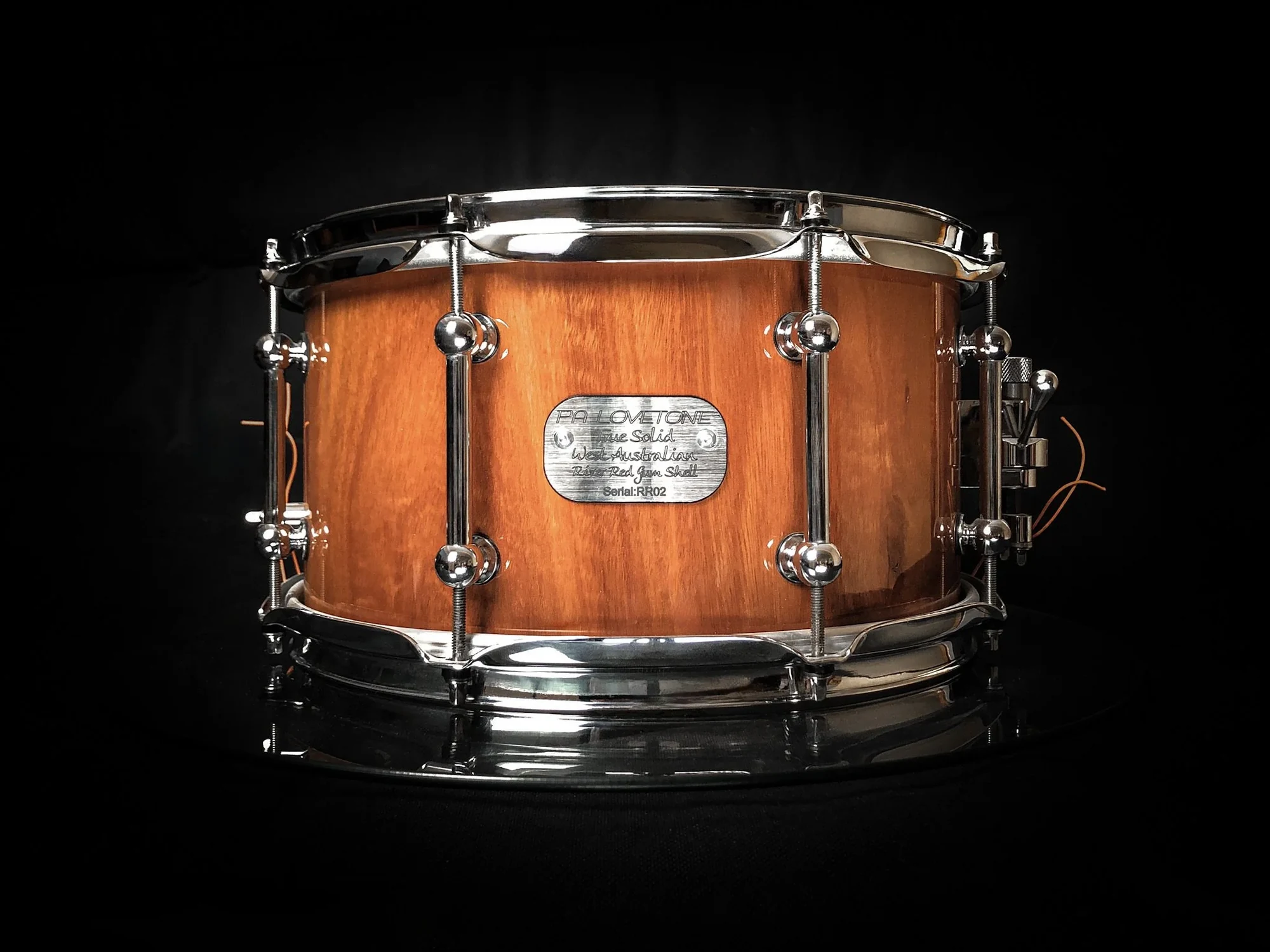
One of Australia’s most widely occurring eucalypts, found along almost every seasonal watercourse – hence the name. It tolerates extreme heat, cold and wild swings of rainfall, and wears its river life in its grain.
River Red Gums are known for a striking outer appearance, often striped in many shades, and for growing twisted and winding – a legacy of life on the riverbed. The straighter trees are the pot of gold Paul is after.
Freshly exposed, the wood is bright red – almost blood-coloured – thanks to high levels of polyphenols, natural antibiotics that protect the tree from disease and pests, make the timber extremely durable, and served the Indigenous people in traditional medicine.
Like Marri, its fundamental sits low – but River Red delivers a much more metallic note. Rich in tone as well as colour: a punchy, warm thump at lower tunings and a metallic bite in the upper registers.
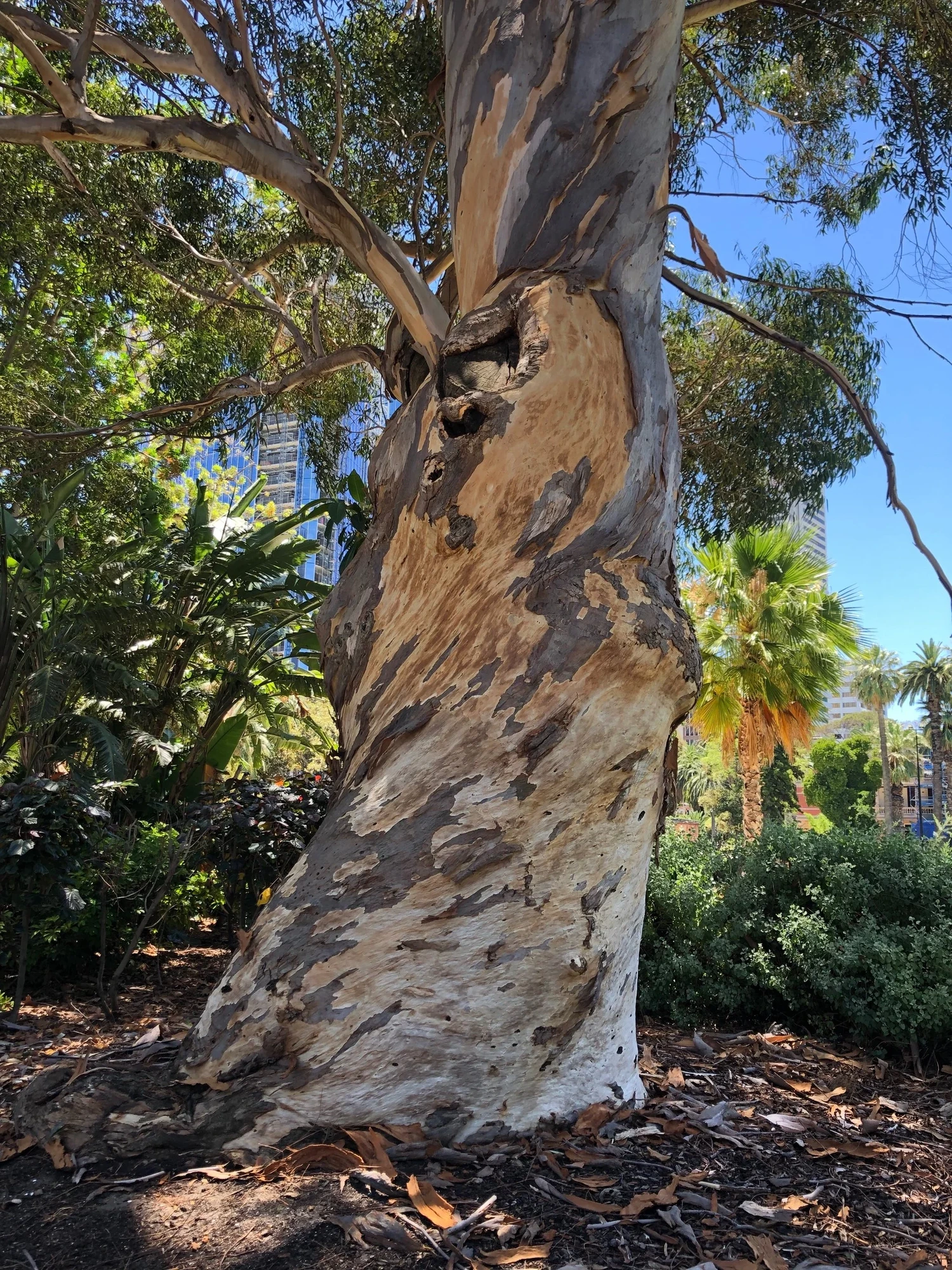
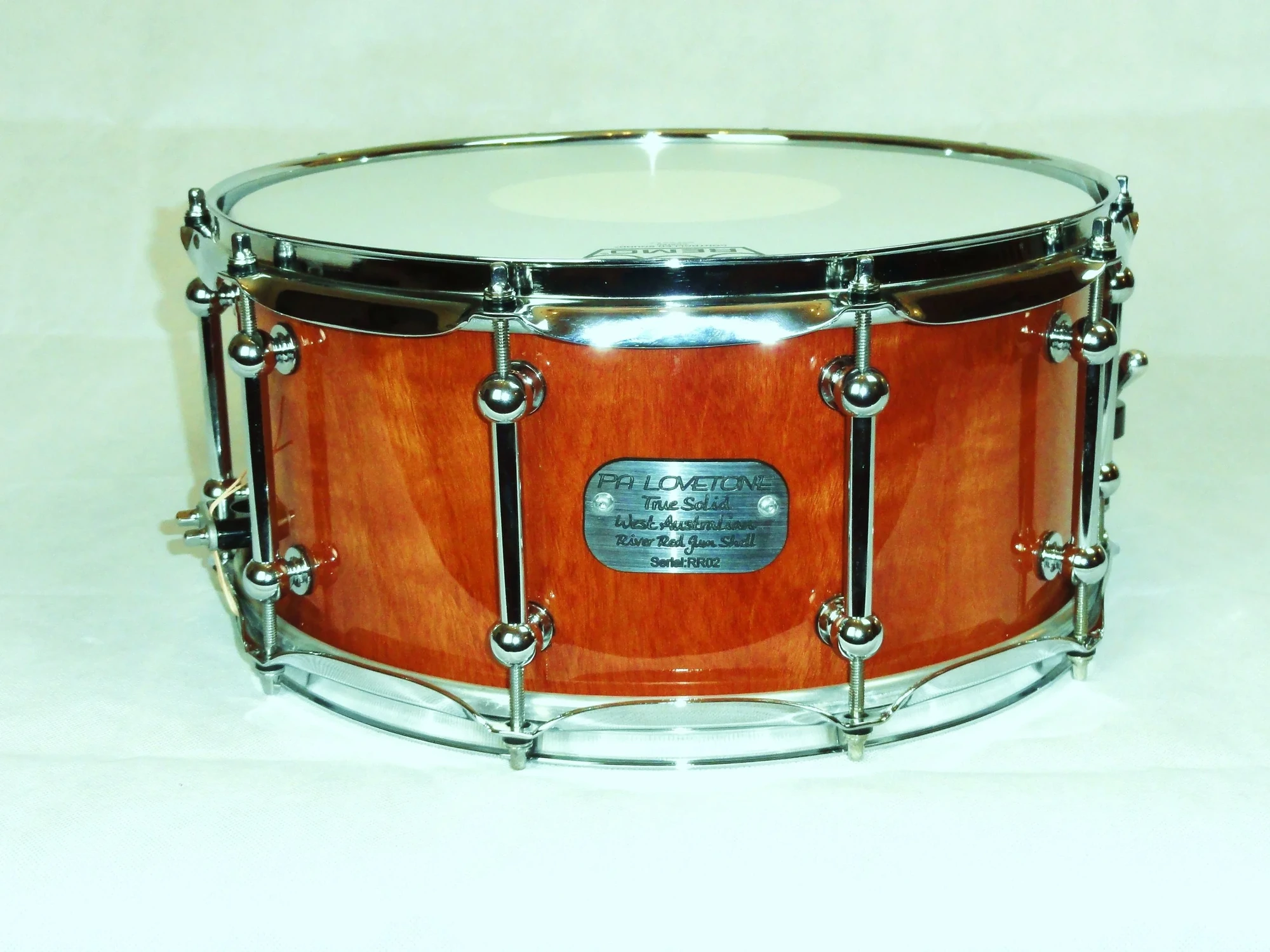
Tonewood · Citrus cream
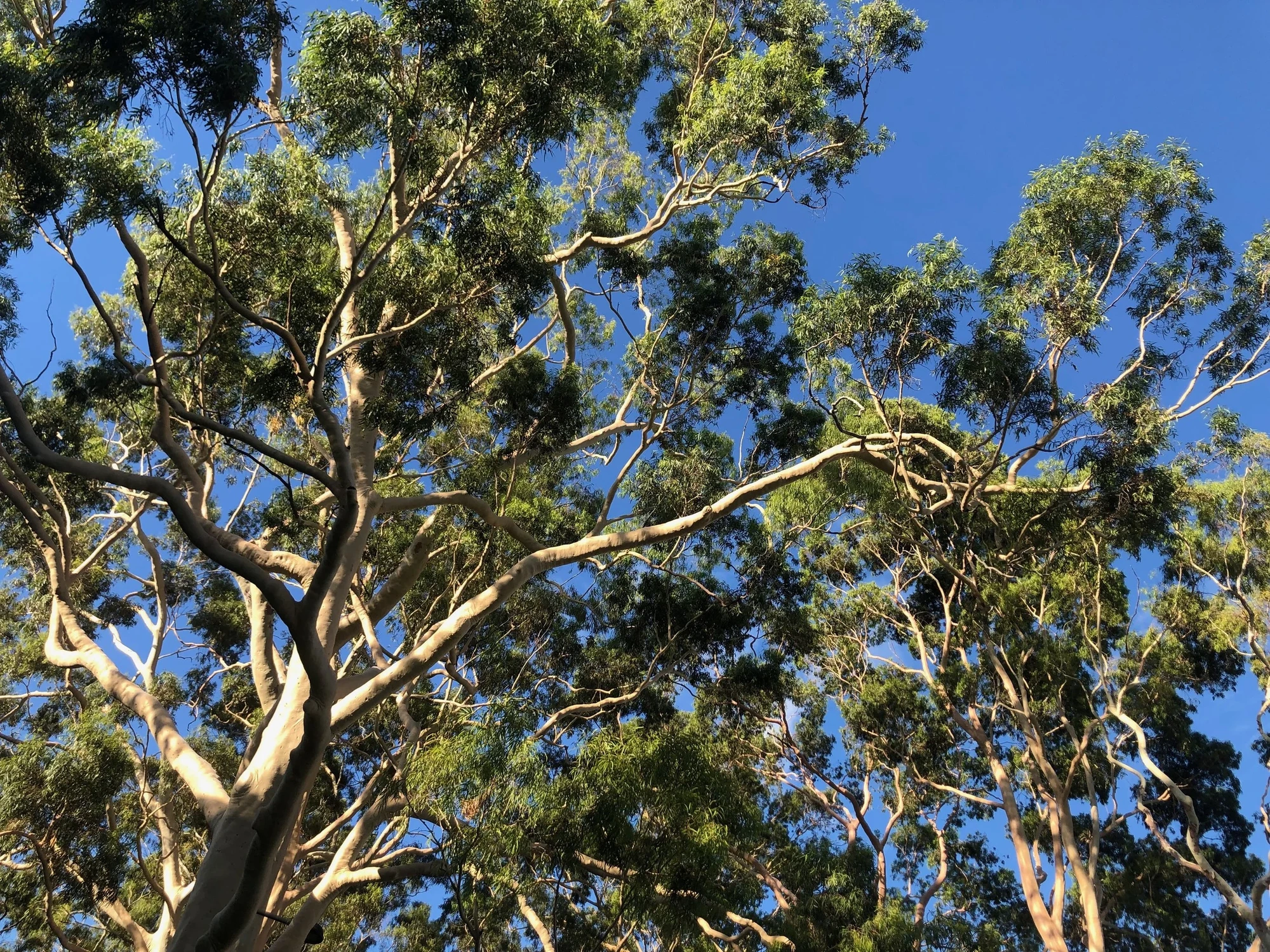
Corymbia citriodora
A tall, smooth-barked tree named for the strong citrus scent of its crushed leaves – used in Aboriginal traditional medicine as an antiseptic and insect repellent, and still pressed into essential oils today.
Growing up to fifty metres with a straight, upright habit and pale smooth bark, its green buds blossom into creamy white flowers in winter. Its extremely dense timber gives a True Solid an incredibly tight bottom end and a strong, rich metallic note.
The most metallic drum in the line-up. Tuned high it has all the pop and presence of a piccolo with beautifully rounded overtones – never boxy. Tuned low, with just a little dampening, it lands that amazing disco thud you normally only get with a towel on the head – but with tone, volume and presence intact. Up top: an ear-whopping bite reminiscent of thick brass.
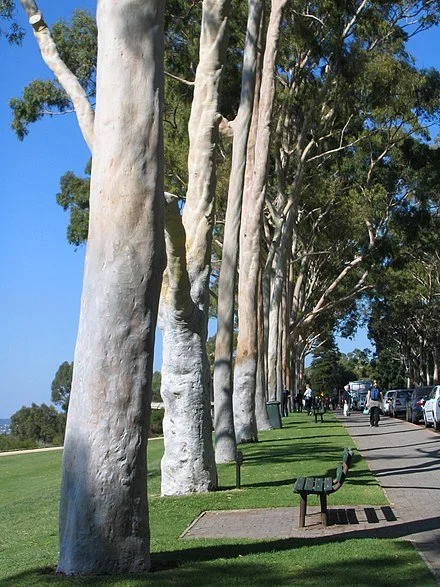
Its cousin Spotted Gum looks similar, but the Lemon Scented gives itself away by its aromatic leaves and pale yellow, smooth bark. Fraser Avenue in Perth’s Kings Park is a perfect showcase – an avenue of them, planted in 1929, leading to the War Memorial.
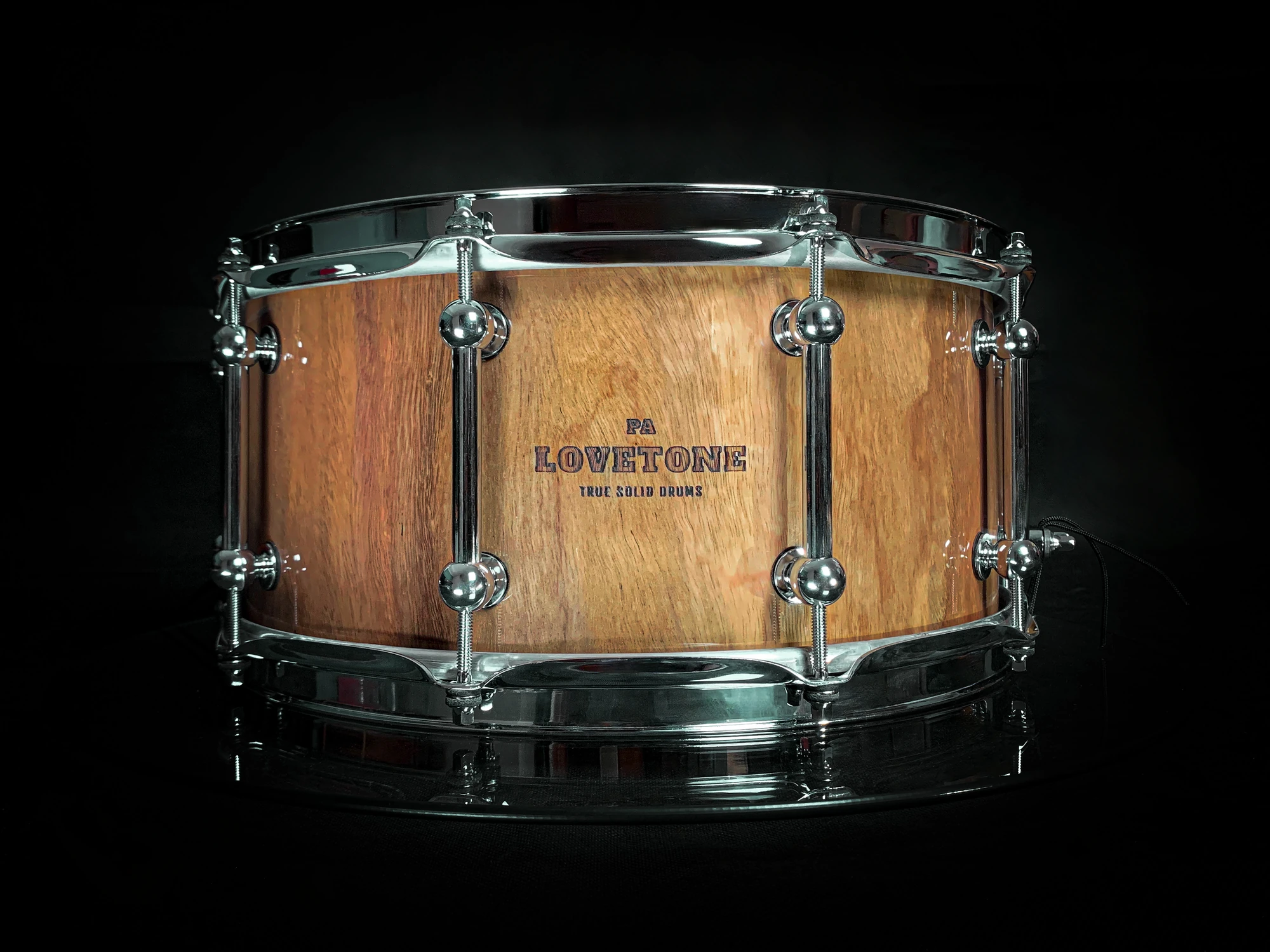
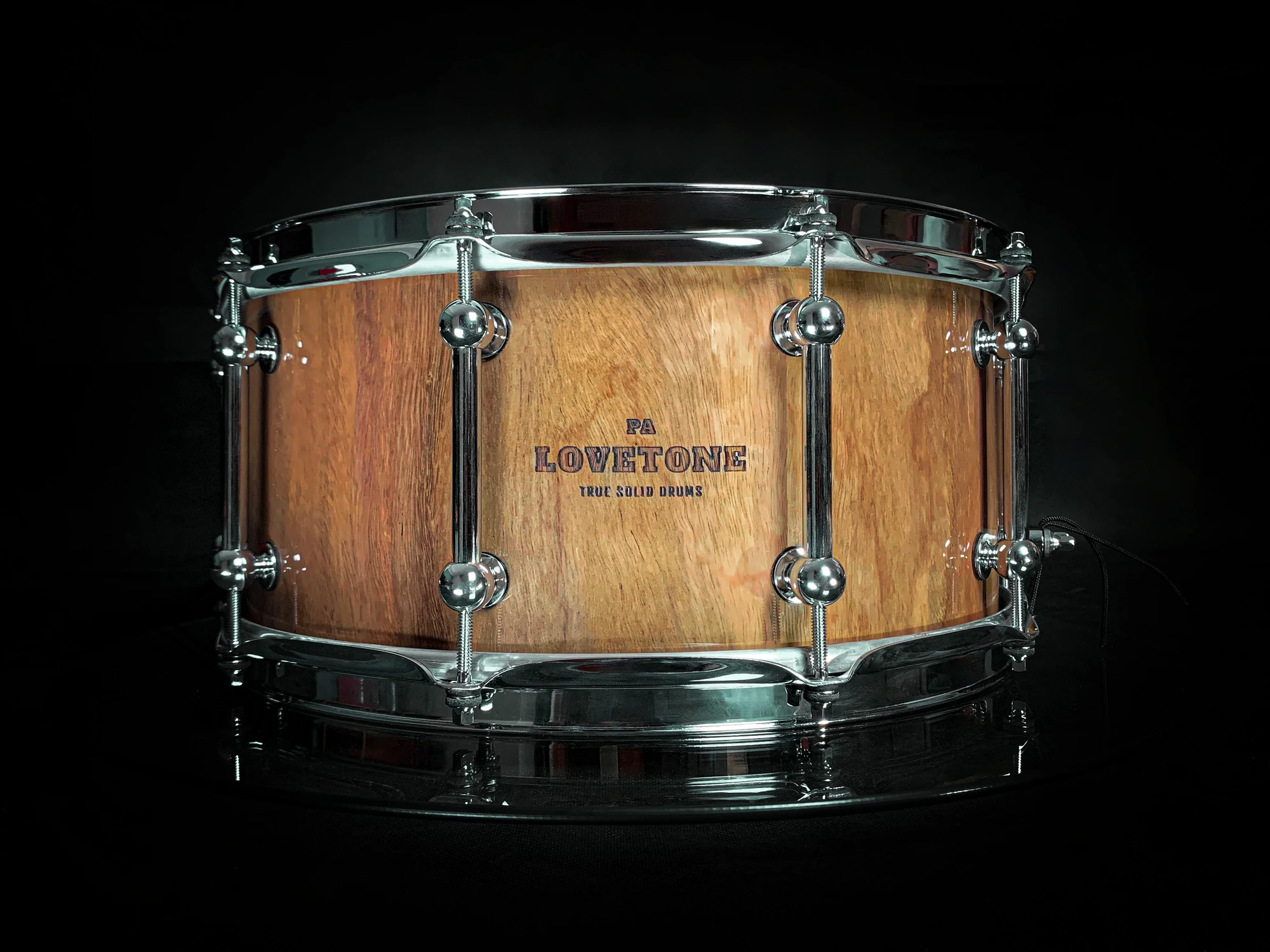 LSG 14″ × 6.5″ · LS04Gloss
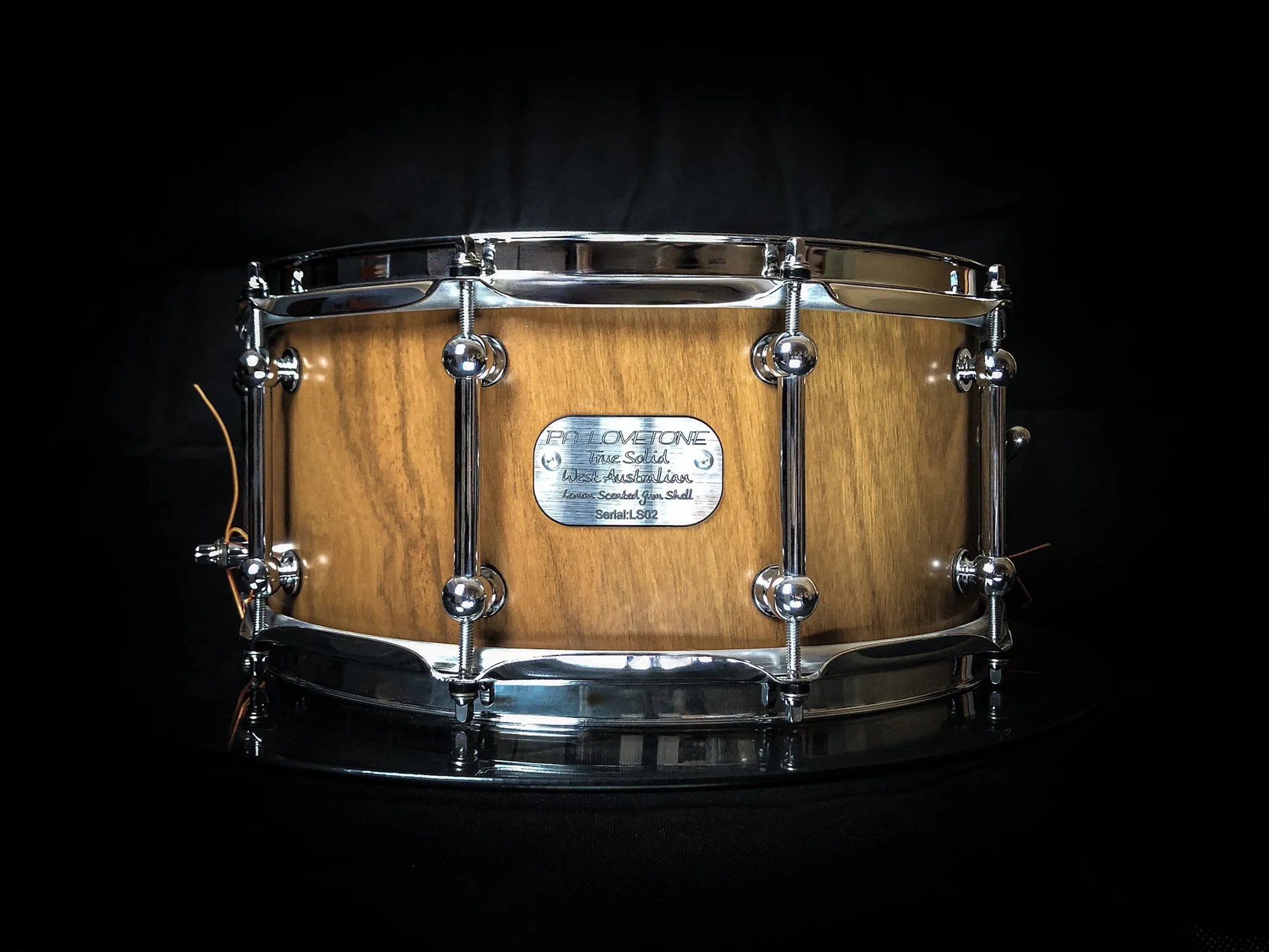 LSG 14″ × 6.5″ · LS02Satin
Tonewood · Antique white
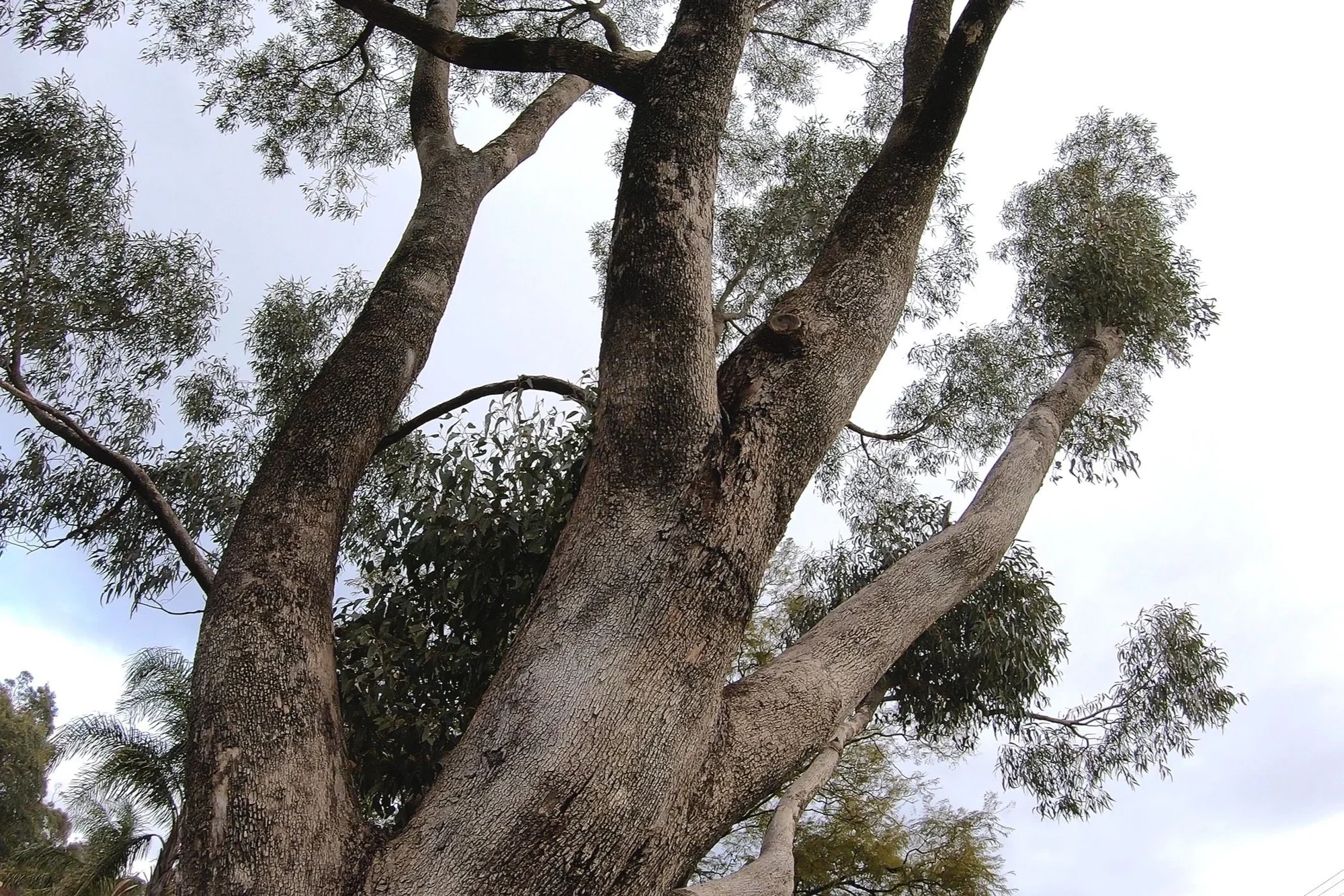
Eucalyptus gomphocephala
One of the six forest giants of south-west Australia – the tallest known Tuart reaches 47 metres. Once common across the Swan coastal plain, it was felled for export and displaced by the growth of Perth; few Tuart forests remain.
A world first in drums · in trial for maximum stabilityNamed Tooart, Moorun or Mouarn by the Noongar people, this durable hardwood was long sought for structural timber, railway carriages and boat building. Today its remnant forests – like the protected Ludlow forest near Busselton – are precious. Paul’s Tuart is ethically salvaged, always; no Tuart is ever felled to make a drum.
Outside, a Tuart can pass for a Marri. Inside, the timber has an exquisite clean, creamy white finish – the antique white of an old, aged piano. Look for fibrous dull grey bark and ice-cream-cone flower buds in groups of seven.
Surprisingly hard and dense, yet Tuart delivers a true vintage warmth straight out of the ’30s and ’40s swing era – a softer, creamy spread with an articulate metallic finish and even, explosive bite in the higher registers. Tonally it sits between a Marri and a River Red: the most vintage-sounding drum in the range.
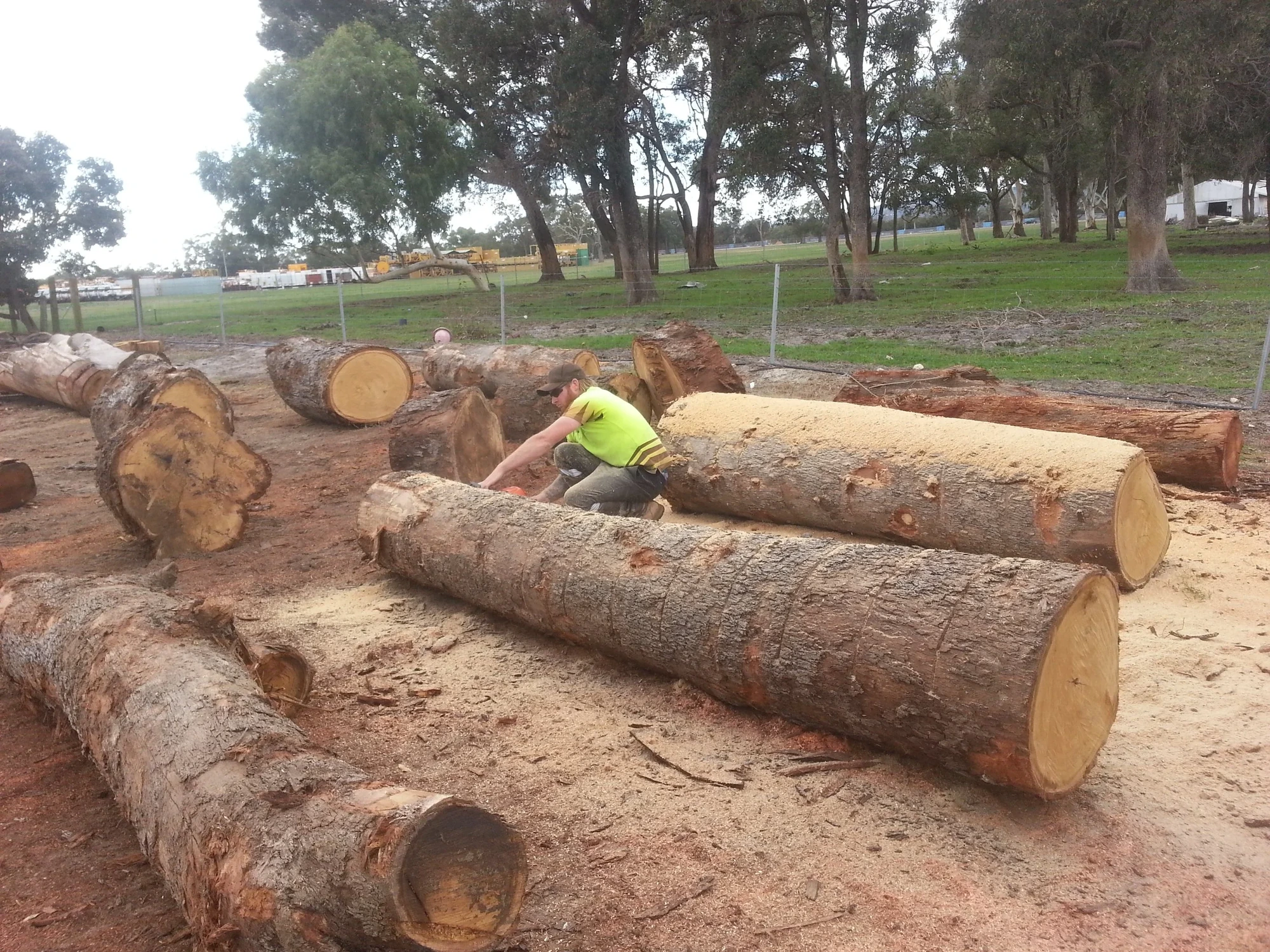
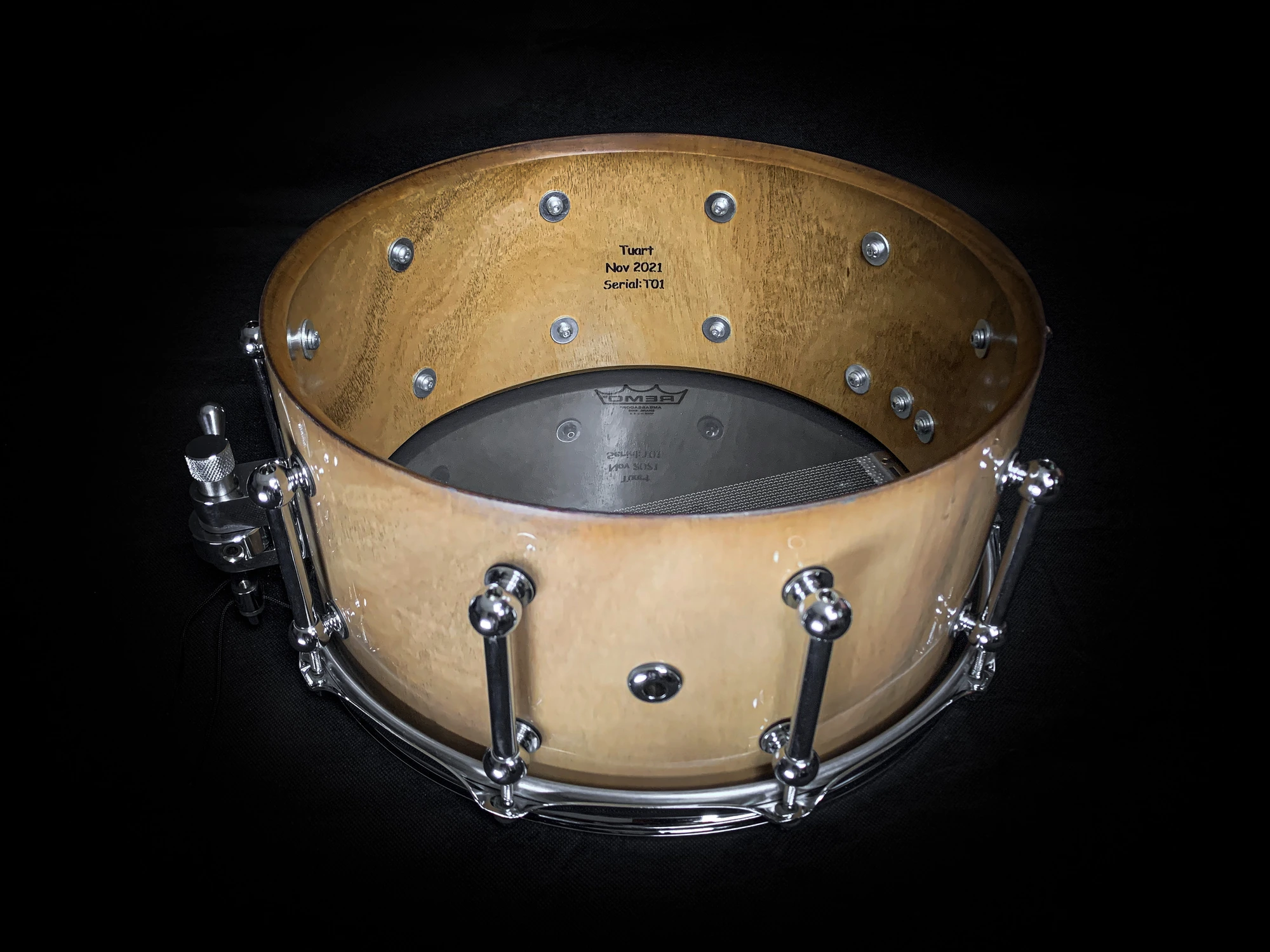
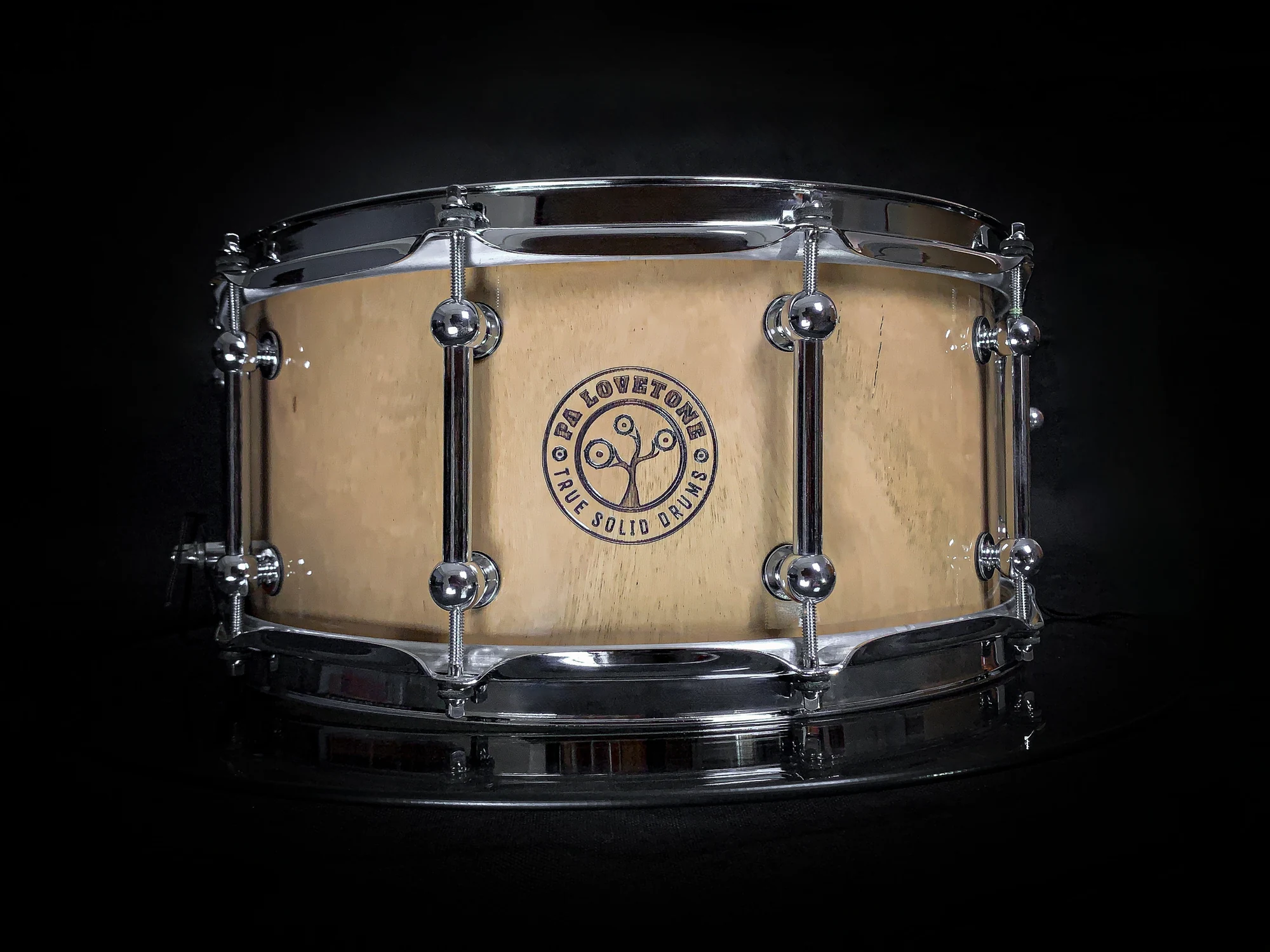 Tuart 14″ × 6.5″Gloss · a world first
Patience, in progress
A True Solid can’t be rushed – each new species waits out its three-plus years of seasoning, or is still waiting for the right log to be found. The rainbow keeps growing.
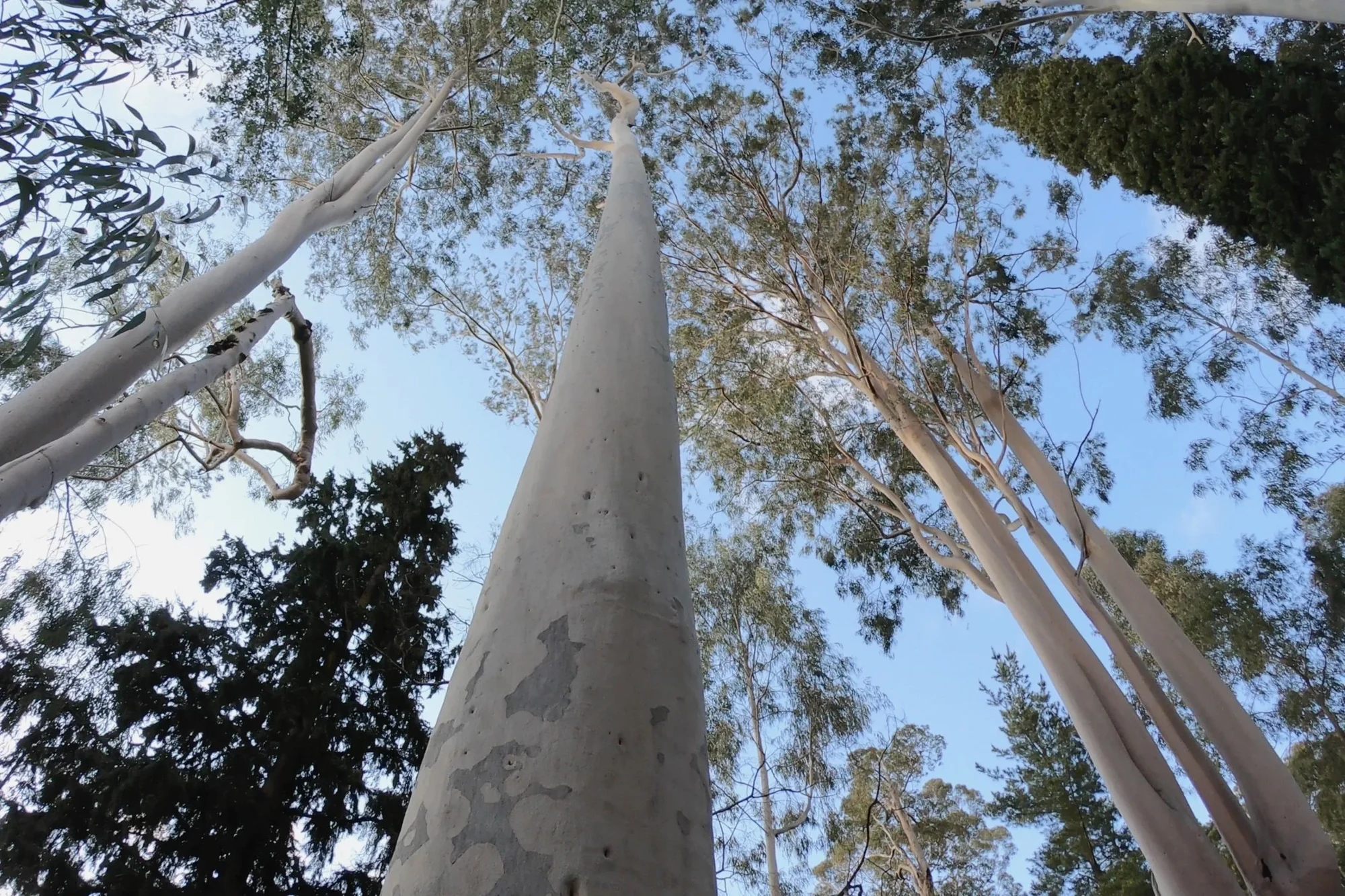
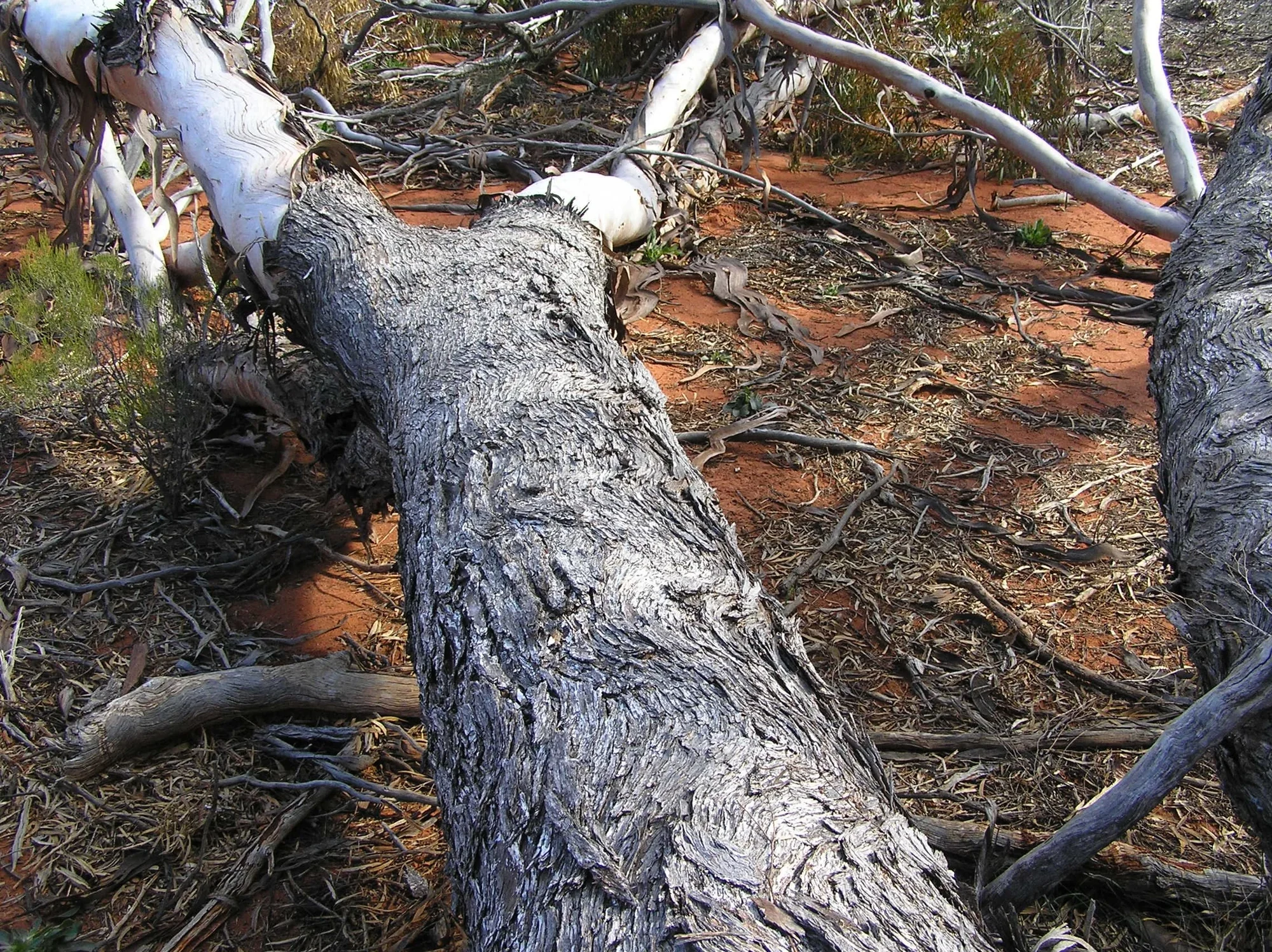
The Red Morrel came from a scientific collection in the Goldfields – hear its world-first drum in the five-drum shootout, and find it on the provenance map. Goldfields timbers like these are among the densest and hardest woods in existence.